
This is a question that I get asked often, especially being a history and geography teacher. Many students tell me that they find history boring and that it’s irrelevent to them, that it’s not going to help them in their future…but is that actually true?
Throughout all of human history, we have moments of genius, development, suffering and destruction. Not only that, everything that humans have done throughout history has led to where we are now, arguably we cannot understand our present without understanding our past and we truly cannot appreciate human capabilities until we see what humans had to do to achieve what they have. There are so many historical technologies and monuments that are still seen or used today, the existence of some still baffle us.
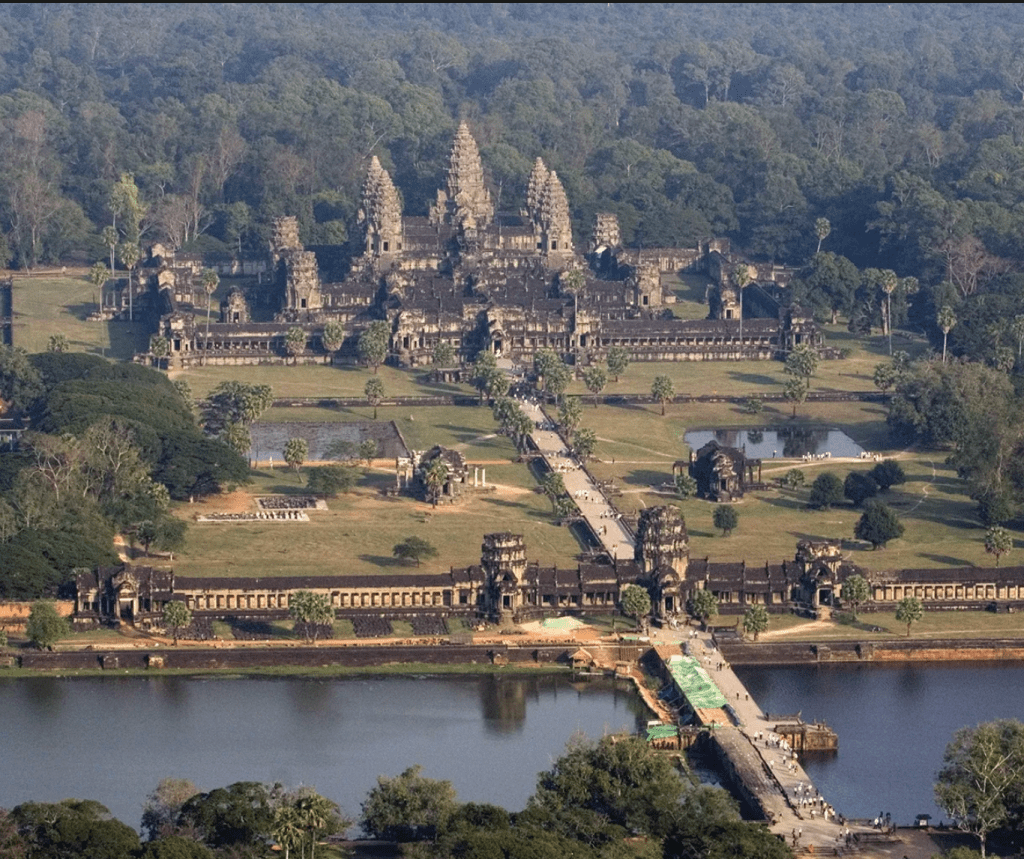
For me, ancient history was my favourite subject. I was amazed by what humans were capable of before they had even discovered electricity, or the concept of gravity or that the earth was in fact round and not the centre of the universe. The idea that the ancient egyptians had built one of the largest pyramids for Pharoah Khufu around 2530 BCE, which was considered to be the largest building on the planet until the early twentieth century. Constructing this monument of six and a half million tons of stone using only wooden pulleys held together by rope and managed by sheer human strength and ingenuity. The Angkor Wat Temple remaining from the Khmer Empire within the period of 800 – 1194 AD is an amazing example of irrigation used to support the structure of the temple within the geographical area that it was built upon. The temple was built in an area of swamp land that went through regular cycles of wet and dry seasons, as they entered the dry season the swampy are would dry out and compact itself, leaving space for the foundation of the pyramid to crack and collapse in on itself. The engineers at the time devised a form of irrigation that ensured that during the dry season, water from the local reserve would be directed into the swamp, under the foundation of the temple, preventing the land from drying out and keeping the temple foundation supported.

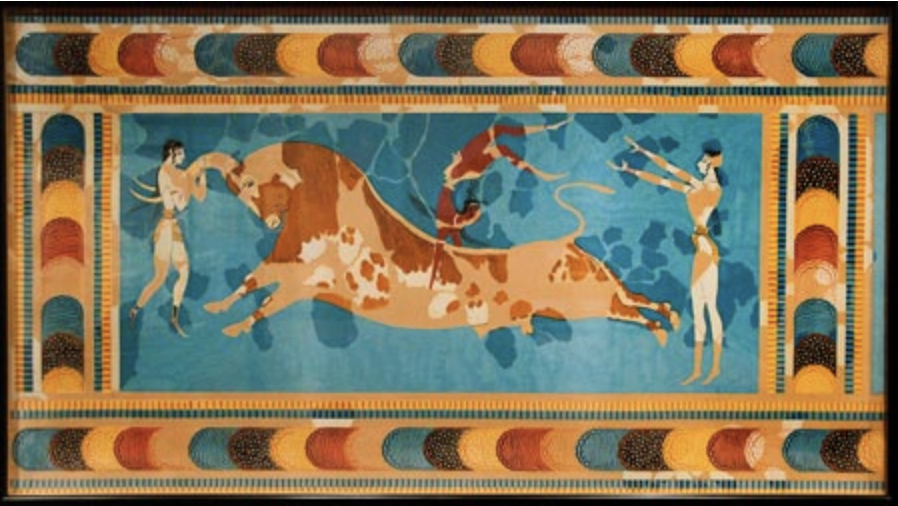
Ancient art is also an amazing aspect, what stuck with me most from my studies in school were the minoan frescoes in Crete. These artworks told so many stories about what life may have been like and how they viewed certain aspects of society during their time, there pottery artworks were just as vivid, often presenting aquatic animals and scenes. The stories that come to mind as you look at these artworks are just breathtaking, you can’t help but imagine a flourishing civilisation that idolised athleticism, local flora and the surrounding coastlines.
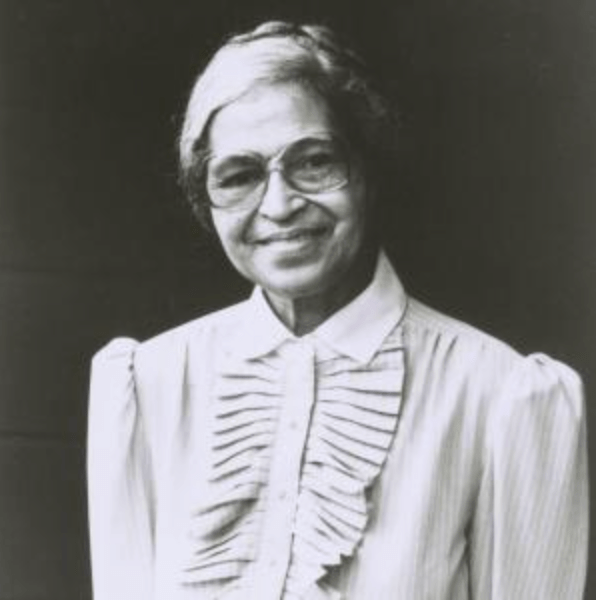
As much as I love ancient history and exploring what life was like before the invention of mechanical vehicles and communication devices, modern history is just as important. The modern era is what helps us understand how the world has gotten to where it is now. For example, the employability of married women has change drastically since World War II. In the US, less than 5% of married women were employed in the 1890s, this then increased dramatically to more than 60% by 1990, the most significant increase occuring in the years after 1940. While men were conscripted to the war, women were the ones who ensured that food and ammunition production continued on the homefront, some even becoming mechanics to ensure the continued use of machinery in factories. This especially continued if their husbands or fathers returned with injuries and illnesses that prevented them from working, or they did not survive the war. The economy had to continue and the female population ensured that it happened, this was of course challenged once the war was over but the reality was, women could work just as well as and just as hard as men. The 1960s saw the fight for equal human rights, this is an event that can be traced back to the days of colonisation and colonialism. The idea that the European white man was more important than the indigenous people who’s land they stole, this way of thinking had permeated society for centuries until it was officially challenged in the 1960s across the US and Australia. Groups led by freedom fighters such as Martin Luther King Jr and Charles Perkins, showing a strong stance without the use of violence despite violent means being used against them. Silent fighters such as Rosa Parks who simply wanted to keep her seat on the local bus, all these people fought for the society we have now. Many lost their lives and some people today would argue that freedom is still out of reach for many people, but the first steps were taken in the 1960s, leading into our world today.
History is so important, and many people forget that, especially our young people. That’s why when I finally get to our history units I get so excited to be in the classroom, because I can open their minds to what the world used to be. Our children can gain an understanding of the amazing things that humans are capable of, but also the horrific things that we can do to eachother if we let ourselves run wild with our need for power, wealth and control. So, while not everyone “likes” history, I do believe that it is an important thing to understand before we can even begin to understand our present and move into our future.
References:
- Arsenault, R. (2006). Freedom riders: 1961 and the struggle for racial justice. Oxford University Press.
- Goldin, C. D. (1991). The role of World War II in the rise of women’s employment. The American Economic Review, 741-756.
- Goodman, J. (2000). Reinterpreting Angkor: the water, environment and engineering Context. 上智アジア学, 18, 131-163.
- Forsdyke, E. J. (1929). Minoan Art. British Academy.
- Shaw, J. (2003). Who Built the Pyramids?. Harvard Magazine, 6, 42-99.
 Green Mage Writings